Nutrition and Hydration for Senior Cyclists
What to eat before, during, and after a ride. We've tested what actually works on the Blueway without upsetting your stomach.
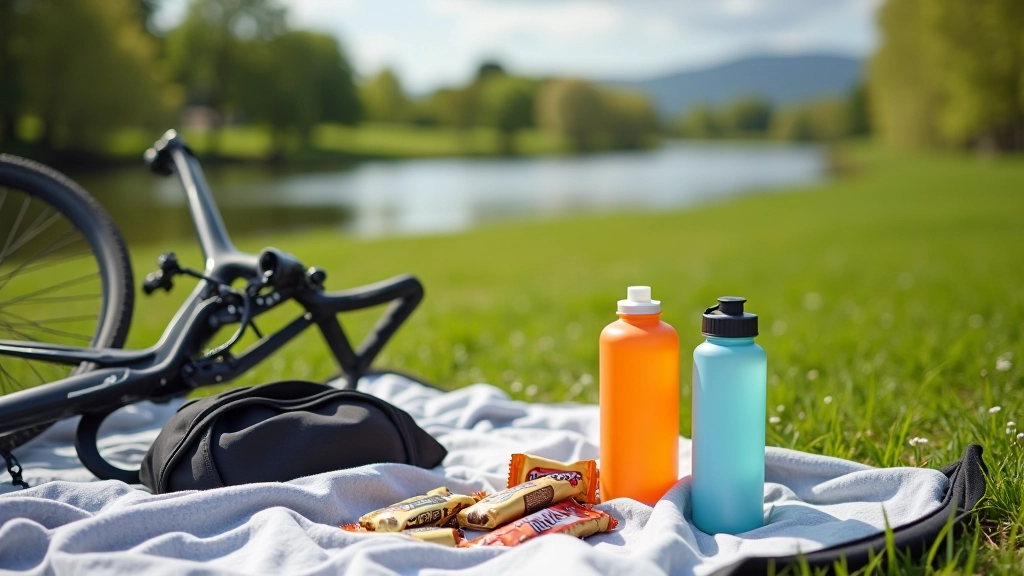
Fueling your body right makes a massive difference on the Suir Blueway. Not just for energy — proper nutrition helps you recover faster, avoid bonking mid-ride, and actually enjoy yourself instead of fighting through hunger. We've learned what works and what doesn't through real experience with riders just like you.
The thing is, cycling nutrition for seniors isn't complicated. You don't need special sports drinks or weird energy gels if you don't want them. Simple foods, decent hydration, and a bit of planning — that's honestly all most people need to ride strong for 20-30 kilometers.
Start Hydrating Before You Ride
Most people don't drink enough water before they even get on the bike. You'll feel it around kilometer 15 — suddenly your legs feel heavy and you're more tired than you should be. That's dehydration creeping in.
Drink 400-500ml of water about 2-3 hours before you head out. Not all at once — that's just uncomfortable. Sip it gradually while you're getting ready, checking the bike, loading your bag. Then have another 200ml about 20 minutes before you start. Your body actually absorbs water better when you spread it out.
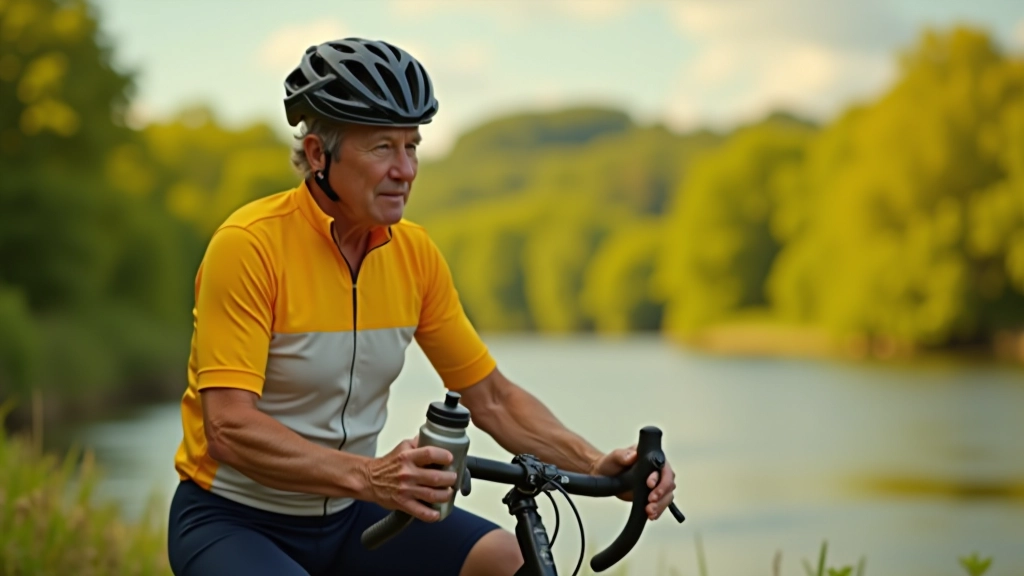
On the Blueway itself, you'll want a water bottle or hydration pack. Most riders use a 750ml bottle and refill it at one of the cafes or shops along the route. That's realistic and practical — no need to carry 2 liters.
What to Eat Before You Go
Eat something 1.5 to 2 hours before riding. You don't want to cycle on a full stomach — that causes cramping. But riding on empty means you'll bonk by kilometer 12.
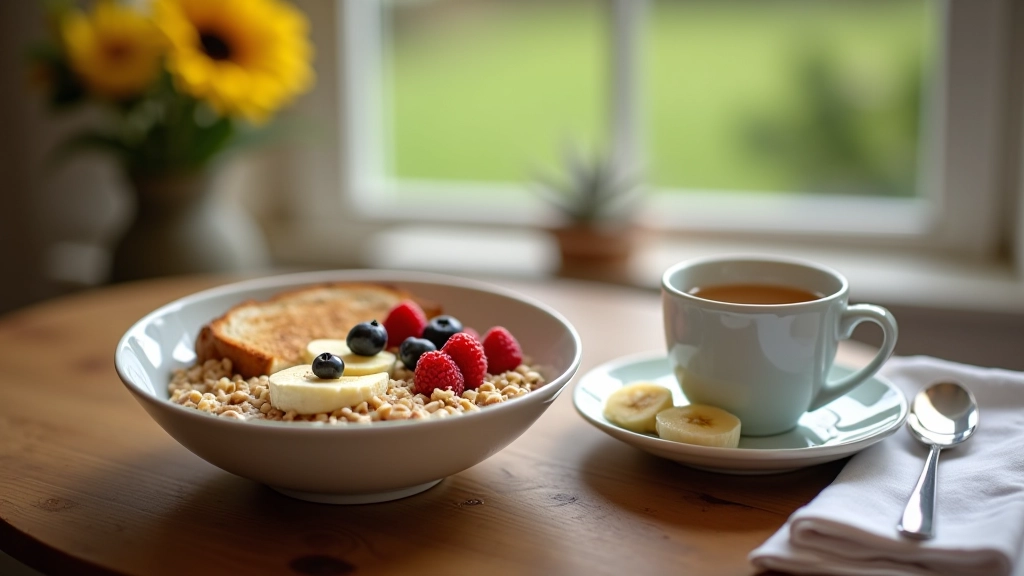
Good pre-ride meals: oatmeal with banana, toast with peanut butter, scrambled eggs with whole grain bread, or porridge with berries. These are foods you already know. Nothing exotic. The carbs give you energy, the protein keeps you satisfied, and you've got time to digest properly.
Skip anything greasy or high-fiber right before. A big fry-up or a bowl of lentils might sound nutritious but you'll regret it on the bike. Keep it simple — something familiar that your stomach trusts.
Pro tip:
If you ride early morning, eat something small even if you're
not hungry. A banana and cup of tea takes 5 minutes and makes
a real difference.
Eating and Drinking While Riding
For rides under 60 minutes, water is usually enough. But if you're out for 2+ hours, you'll want some fuel. This is where people overcomplicate things.
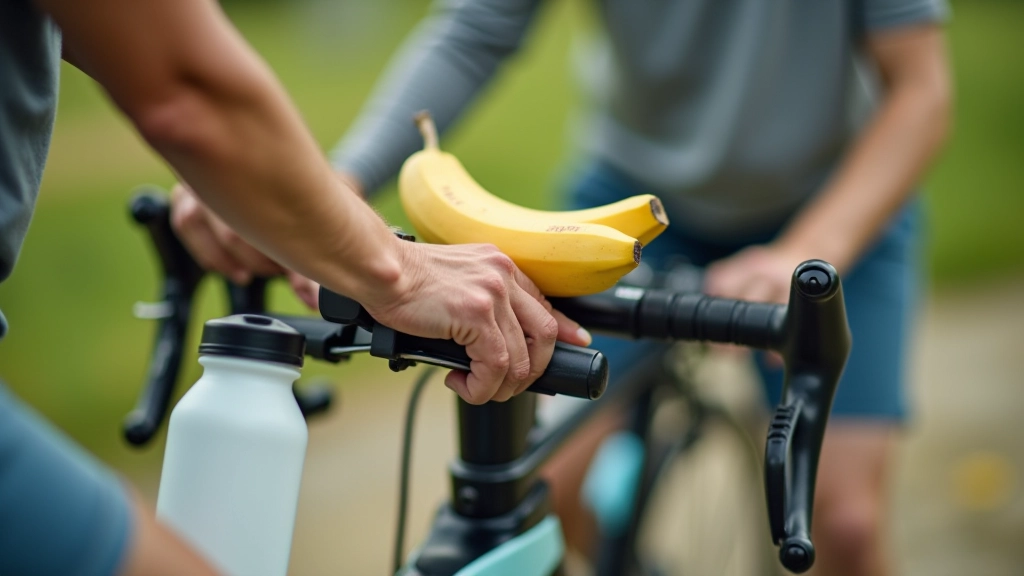
Real food works great. A banana, a handful of nuts, a small sandwich, or even a biscuit. Most riders carry a banana and some dates or dried fruit. You can eat these while moving if you're confident on the bike, or stop for a proper break. Stopping is better anyway — your legs appreciate a rest every hour or so.
For hydration, drink 150-200ml of water every 20 minutes. That sounds like a lot but you won't notice it if you're steady about it. Just sip regularly instead of drinking a huge amount once.
If you're riding in warm weather, you'll sweat more. That's when electrolytes matter — a pinch of salt in your water or a sports drink helps your body retain fluids. But for spring and autumn rides on the Blueway, plain water does the job fine.

Recovery Starts Right After You Stop
Your muscles are primed to absorb nutrients in the first 30-60 minutes after you finish. This is when a recovery meal or snack actually matters.
Something with carbs and protein works best. A chocolate milk, a yogurt with granola, a sandwich, or a recovery smoothie with fruit and yogurt. You're not trying to be fancy — you're just giving your body what it needs to repair and refuel.
Keep drinking water too. You'll feel thirsty but drink more than you think you need. Your body's still sweating even after you've stopped, and proper rehydration helps with recovery and reduces soreness the next day.
Most riders find a café stop right at the end of the ride works perfectly. Coffee or tea, a scone, maybe a sandwich. That's recovery nutrition right there. Social, enjoyable, and it actually helps you feel better for the next few hours.
About This Information
This article provides educational information about nutrition and hydration for cycling. It's based on general best practices and real-world experience on the Suir Blueway. Everyone's body is different — if you have specific dietary needs, medical conditions, or take medications that affect hydration, please consult with your doctor or a registered dietitian before making changes to your eating or drinking habits. Listen to your body and adjust based on what works for you.

Related Articles